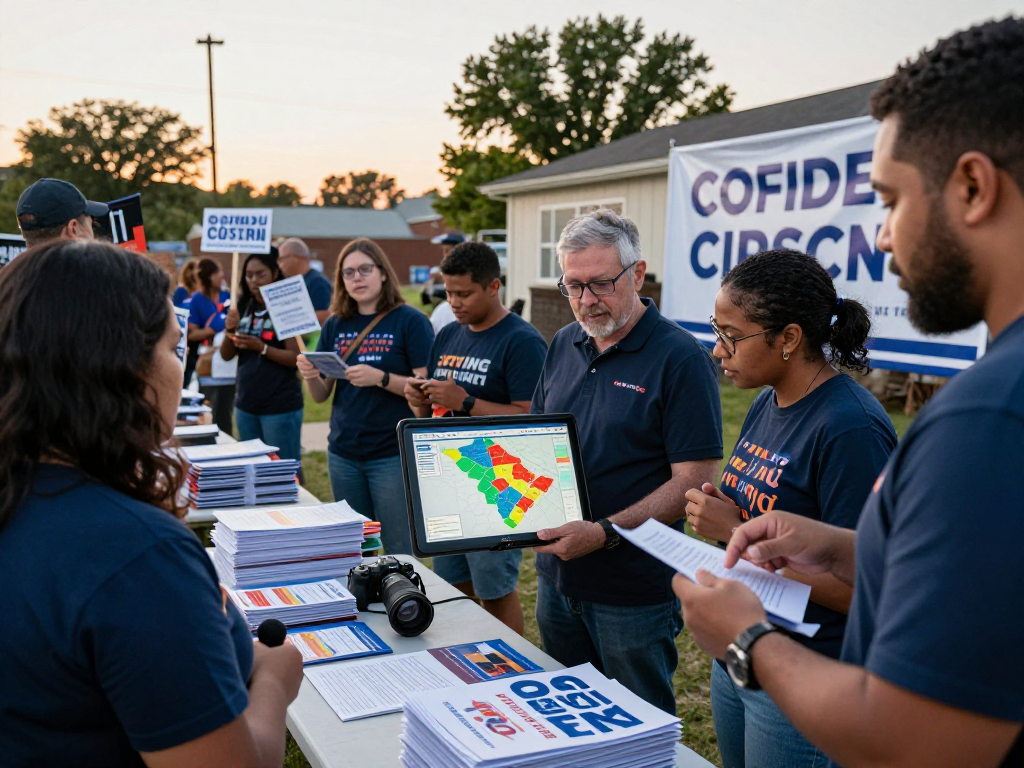
Understanding the Importance of Voter Data in Campaigns
In the modern political landscape, data has emerged as the cornerstone of successful campaign strategies. With the increasing complexity of voter demographics and preferences, understanding your target audience is more critical than ever. By harnessing the power of accurate voter data, campaigns can tailor their outreach and messaging to resonate with constituents, ultimately driving higher engagement and support. A pivotal component of this strategy is integrating innovative fundraising methods such as text to donate for campaigns, which can significantly enhance financial support while fostering direct voter interaction.
Why Voter Data Matters for Effective Campaigning
Voter data provides insights into who your voters are, their preferences, and how they are likely to respond to various campaign messages. Campaigns that utilize comprehensive and updated voter information can segment their audience effectively, creating personalized communication strategies that increase the likelihood of turnout and contributions.
- Targeted Messaging: By understanding the demographics of your target district, campaigns can craft messages that resonate with specific groups, whether that be based on age, income, or political ideology.
- Resource Allocation: With precise data, campaigns can allocate resources more efficiently, maximizing the impact of every dollar spent on outreach efforts.
- Enhanced Engagement: Voter data enables campaigns to create targeted engagement strategies, ensuring that supporters feel heard and valued, which strengthens loyalty and support.
How to Source Accurate Voter Information
Obtaining accurate voter data is essential for a successful campaign. Several methods can be utilized to gather this information effectively:
- Utilize Professional Services: Engaging with data providers like WIN can offer access to comprehensive voter files that include updated information for specific districts or states.
- Public Records: Most states maintain voter registration records that are accessible to the public, allowing campaigns to gather data directly.
- Surveys and Feedback: Conducting surveys within the community can supplement existing data and provide insights into voter concerns and preferences.
Common Misconceptions about Voter Data Usage
Several misconceptions about voter data can hinder effective campaigning. Understanding these can help campaign teams utilize data more strategically:
- Data is Too Expensive: While premium data solutions are available, affordable options exist that offer valuable insights without breaking the bank.
- Voter Data is Inaccurate: Quality data providers update their records regularly, ensuring their accuracy, which can be critical for targeting efforts.
- Over-Reliance on Data is Detrimental: While data is essential, it should complement, not replace, the human element in campaigns, such as personal interactions and community engagement.
Implementing Text to Donate for Campaign Success
As political campaigns become more digital, incorporating innovative fundraising methods like text donations can provide a significant edge. Text to donate allows supporters to contribute easily and quickly, thereby increasing the likelihood of participation.
Step-by-Step Guide to Setting Up Text Donation
Implementing a text donation system involves several critical steps:
- Select a Service Provider: Choose a reliable text donation platform that complies with campaign finance laws.
- Create a Unique Keyword: Develop a memorable keyword that supporters can text to initiate the donation process.
- Promote the Initiative: Ensure that supporters know how to use the text donation feature through various channels such as social media, email, and campaign events.
Integrating Text Donations with Voter Outreach
To effectively fuse text donations into your overall campaign strategy, connect this fundraising method with voter engagement efforts. By doing so, you encourage supporters not only to donate but also to engage with the campaign. For example, follow up with donors via text, thanking them for their support and providing updates on campaign initiatives.
Measuring Impact: Metrics to Track Success
Tracking the success of your text donation campaign is vital for understanding its effectiveness. Key metrics to consider include:
- Total Amount Raised: Monitor the total funds generated through text donations to assess overall fundraising success.
- Donor Retention Rates: Analyze how many individuals donate multiple times, showcasing ongoing support.
- Engagement Levels: Evaluate open and response rates to text-based outreach, helping refine future communication strategies.
Advanced Strategies for Political Marketing
In a competitive political landscape, deploying advanced marketing strategies is essential for standing out. Here are some techniques to consider:
Leveraging SEO for Increased Visibility
Search engine optimization (SEO) can significantly enhance the visibility of your campaign online. By optimizing your website with relevant keywords, such as “political campaign fundraising” and “text to donate,” you can drive organic traffic and attract more supporters to your cause.
Creating Engaging Campaign Websites
Your campaign website serves as the digital front door for your constituents. Make it visually appealing, easy to navigate, and informative. Include features like donation buttons, event calendars, and volunteer sign-up forms to enhance user engagement.
Utilizing Digital Ads for Broader Reach
Investing in digital advertising can amplify your message far beyond typical outreach methods. Utilizing platforms like Facebook and Google Ads allows for targeted advertising, reaching specific demographics and voter segments effectively.
Building an All-Inclusive Campaign Team
Creating a successful campaign requires an all-inclusive team that collaborates effectively to achieve campaign goals. Here’s how to structure your campaign team:
Roles and Responsibilities for Campaign Success
Clearly defined roles within your campaign team are crucial. Here are some key positions to consider:
- Campaign Manager: Oversees all campaign operations, ensuring alignment with strategic goals.
- Data Analyst: Handles voter data analysis, providing insights to guide targeted outreach efforts.
- Digital Marketing Specialist: Manages online campaigns, ensuring maximum visibility and engagement.
Importance of Transparency in Campaign Management
Transparency fosters trust between the campaign and its constituents. By being open about campaign funding, strategies, and expenditures, you build credibility that resonates with voters and supporters alike.
Real-World Case Studies of Successful Campaigns
Learning from successful campaigns can provide valuable insights. For example, Campaign A leveraged targeted texting strategies alongside comprehensive voter data to increase their fundraising efforts by 150% in the last month before the election. Similarly, Campaign B integrated digital ad campaigns with grassroots outreach, resulting in increased visibility and engagement.
Future Trends in Political Campaigning for 2026
As we approach the 2026 elections, several trends are poised to shape the political campaigning landscape. Here’s what to watch for:
Emerging Technologies Influencing Campaign Strategies
Technologies such as artificial intelligence and machine learning are increasingly being utilized to analyze voter data more efficiently, allowing for more personalized messaging and outreach strategies.
Ethical Considerations in Voter Data Utilization
As data collection becomes more sophisticated, it’s critical for campaigns to adhere to ethical considerations regarding data privacy. Ensuring compliance with regulations and maintaining the trust of voters should be a priority for any campaign.
Preparing for Shifts in Voter Engagement Tactics
Voter engagement is continually evolving, with younger generations placing a higher value on digital interactions and transparency. Campaigns must adapt their strategies accordingly, utilizing social media and digital platforms to foster connections with these emerging voter demographics.
What is the best way to execute text donations?
The most effective way to implement text donations is by ensuring a seamless process from keyword selection to donor follow-up, thereby enhancing user experience and participation rates.
How can I effectively target voters using data?
Effective targeting involves segmenting your voter data based on demographics, voting history, and interests, enabling you to tailor your outreach accordingly.
What are the legal considerations for political data usage?
Campaigns must adhere to legal regulations such as FEC guidelines regarding data collection, usage, and privacy to avoid penalties and maintain voter trust.
How to create engaging content for campaign outreach?
Engaging content should be relevant, relatable, and visually appealing. Tailor your messaging to your audience's interests while encouraging interaction.
What trends should campaigns focus on in 2026?
Key trends include increased digital engagement, transparency in campaign finance, and the utilization of emerging technologies for data analysis and voter outreach.