Understanding the Role of Architectural Model Maker Austria
Architectural model making is a vital component of the architectural and construction industries, particularly in Austria, a country renowned for its rich architectural heritage and innovative urban landscapes. As clients seek tangible representations of their vision, the role of an Architectural model maker Austria becomes increasingly essential. These skilled professionals translate complex architectural ideas into three-dimensional models, facilitating better communication and understanding among stakeholders, including architects, urban planners, real estate developers, and investors.
What is Architectural Model Making?
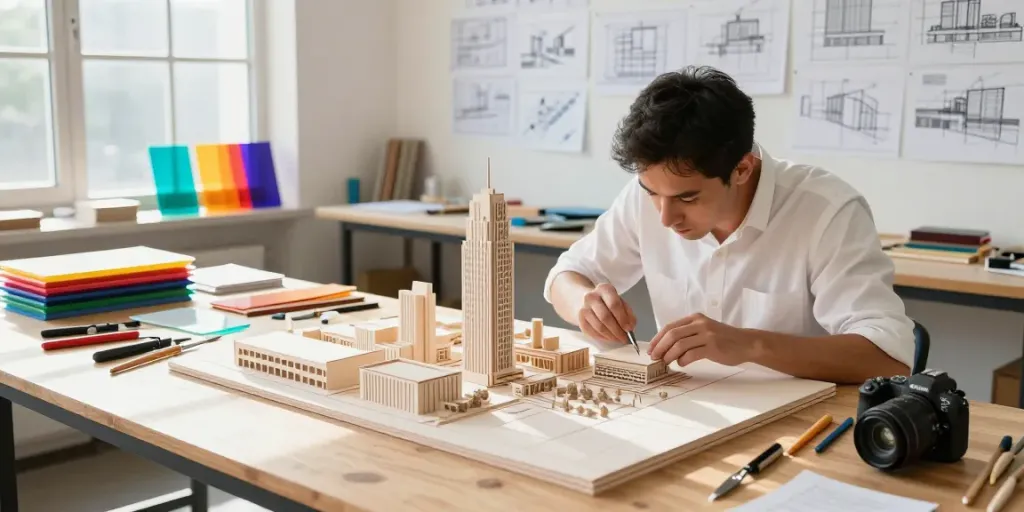
Architectural model making involves creating scaled representations of buildings, structures, or landscapes. These physical or digital models serve various purposes, from presentation and design validation to planning and marketing. In Austria, where architectural innovation meets tradition, model making is not just a craft but an integral part of the design process.
The Importance of Models in Architecture
Models offer a range of benefits, including aiding visualization and providing a medium for testing ideas before actual construction. They enable architects and developers to identify design flaws, assess spatial relationships, and improve communication with clients and stakeholders. Moreover, architectural models can simplify complex concepts, making them more accessible to non-experts.
How Architectural Models Foster Collaboration
The collaborative nature of architectural projects demands tools that enhance understanding among diverse participants. Models enable architects, clients, and government officials to engage in meaningful discussions, ensuring that all viewpoints are considered. This collaborative approach can lead to better design outcomes and smoother project execution.
Types of Architectural Models
In Austria, the diverse needs of the architectural and construction industries lead to the creation of various types of models, each serving a unique purpose. Understanding these different types can help clients make informed decisions when commissioning models for their projects.
Industrial Models: Designed for Functionality
Industrial models are meticulously crafted to represent factories and industrial processes. These models are vital for visualizing complex operations within manufacturing plants, power stations, and logistical hubs. They serve not only as visual tools but also as marketing assets during trade shows and exhibitions.
City Planning Models: Visualizing Urban Landscapes
City planning models are large-scale representations that provide insights into urban district layouts or entire cities. They assist urban planners in determining how proposed developments will fit within the existing fabric of the city, revealing important relationships between structures, streets, and public spaces.
Competition Models: Meeting High Standards
Competition models are critical in architectural contests, showcasing the best design proposals. These highly detailed models must meet stringent criteria to convey the architect's vision accurately, often influencing the jury's decision in competitive scenarios.
Materials and Techniques Used in Model Making
The selection of appropriate materials and techniques is crucial for achieving high-quality architectural models. With advancements in technology, model makers in Austria now have access to a diverse array of materials and cutting-edge techniques.
Choosing the Right Materials for Your Project
The choice of materials for architectural models can significantly impact the final product's look, feel, and durability. Common materials used include:
- Wood: Offers craftsmanship and warm aesthetics.
- Plastic: Provides versatility and ease of manipulation.
- Foam: Lightweight and easy to cut, ideal for quick prototypes.
- Metal: Ensures durability and a sleek finish.
- Cardboard: A cost-effective option for preliminary designs.
Traditional vs. Modern Techniques in Model Making
Architectural model making has evolved significantly, combining traditional craftsmanship with modern technology. While handcrafting techniques allow for intricate detailing and personalized touch, modern approaches such as computer-aided design (CAD) and laser cutting enhance precision and speed.
Incorporating Technology: 3D Printing and CNC Milling
Integrating technology into model making has revolutionized the industry. 3D printing allows for the rapid production of complex shapes that would be difficult to achieve through traditional methods. CNC milling enhances accuracy, enabling the creation of finely detailed models from various materials, catering to the growing demand for customization.
Challenges in Architectural Model Making
Despite its advancements, architectural model making in Austria faces several challenges that professionals must navigate to deliver high-quality, timely results.
Time Pressure and Project Deadlines
In the fast-paced world of architecture, meeting deadlines is crucial. This time pressure often requires model makers to streamline their processes without compromising quality. Effective project management and resource allocation are essential to navigate these challenges successfully.
Material Selection Considerations
Choosing the right materials can be a daunting task. Each material has unique properties that can affect the model's appearance and functionality. Balancing cost, quality, and performance is critical for achieving the desired outcome.
Maintaining Quality Under Constraints
As project parameters change, maintaining quality while adhering to deadlines and budgets becomes a significant challenge. Implementing efficient workflow strategies and utilizing skilled artisanship can help mitigate these issues, ensuring that models meet the highest standards.
Future Trends in Architectural Model Making Austria
The future of architectural model making in Austria is promising, with numerous trends emerging that will shape the industry in the coming years.
Innovations in Virtual and Augmented Reality
Virtual Reality (VR) and Augmented Reality (AR) are set to transform how architectural models are presented and used. These technologies provide immersive experiences that allow clients and stakeholders to engage with the model in ways that traditional models cannot, enhancing decision-making processes.
Sustainability in Model Making Practices
As sustainability becomes increasingly important in construction, the architectural model making industry is also adapting. Model makers are exploring eco-friendly materials and production methods, focusing on reducing waste and minimizing environmental impact.
The Rise of Custom-Tailored Solutions
Clients are increasingly seeking customized solutions that reflect their specific needs and preferences. This trend is pushing architectural model makers to develop tailored approaches, enhancing collaboration and ensuring that every model meets unique requirements.
Conclusion
Architectural model making is a dynamic and essential aspect of the architectural process in Austria. As the industry evolves with technological advancements and growing demands for sustainability and customization, the role of an architectural model maker becomes even more pivotal. By employing the right materials, techniques, and innovative solutions, we can continue to bridge the gap between vision and reality, enabling architects, urban planners, and developers to bring their projects to life with precision and artistry.