
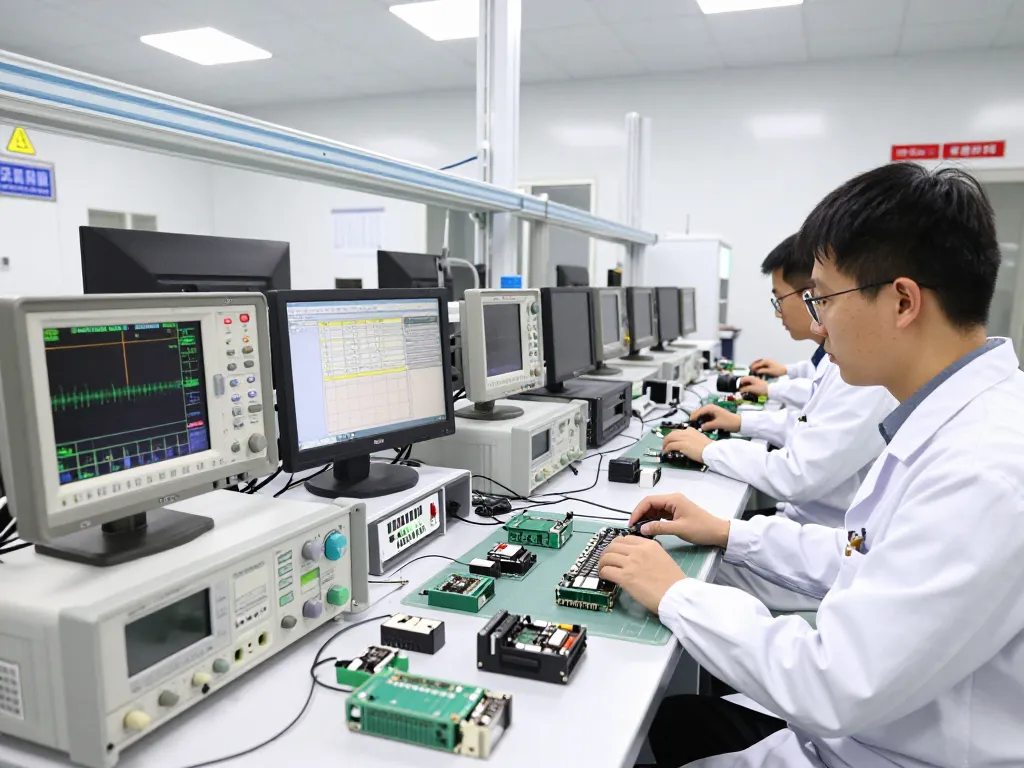
Understanding Automotive Electronic Subassembly Testing
Automotive electronic subassembly testing is a critical process within the automotive sector, ensuring that the electronic systems and components integrated into vehicles operate reliably and comply with industry standards. With the rapid advance of technology in vehicle design and functionality, rigorous testing is essential not just for compliance but also for the safety and performance of automotive products. When exploring options, Automotive Electronic subassambly testing provides comprehensive insights into the standards and processes necessary for successful compliance and market entry.
What is Automotive Electronic Subassembly Testing?
Automotive electronic subassembly testing involves evaluating the performance and compliance of various electronic components before they are integrated into larger systems within vehicles. This can include testing circuit boards, sensors, control units, and other electronic modules that contribute to the vehicle’s overall electrical system. The testing aims to ensure that these components function correctly in isolation and within their intended systems, mitigating any risk of failure once they are deployed in actual vehicles.
The Importance of Compliance in Automotive Testing
Compliance is vital in the automotive field due to the stringent safety and regulatory requirements that govern vehicle manufacturing. Non-compliance can lead to significant financial penalties, product recalls, or even legal issues if a product malfunctions and causes safety hazards. Therefore, conducting comprehensive electronic subassembly testing helps manufacturers ensure their products meet necessary safety, performance, and environmental standards. This not only protects consumers but also enhances the manufacturer’s reputation and marketability.
Overview of Key Regulations and Standards
Various international and regional regulations govern automotive electronic testing. Notably, the ECE Regulation 10 (R10) provides guidelines for electromagnetic compatibility (EMC) testing, ensuring that electronic components can function correctly without causing interference. Other key standards include ISO 16750 for environmental testing, CISPR 12 for automotive emissions, and CISPR 25 for immunity testing. Understanding and adhering to these standards is essential for manufacturers looking to market their vehicles globally.
Challenges in Automotive Electronic Testing
Despite the clear importance of automotive electronic subassembly testing, manufacturers often face numerous challenges that can impede compliance and product integrity. Identifying these hurdles is critical for optimizing the testing process and ensuring successful outcomes.
Common Misconceptions about EMC Testing
One prevalent misconception is that EMC testing is a one-time requirement. In reality, as designs evolve or components are modified, retesting may be needed to ensure continued compliance. Additionally, some manufacturers underestimate the complexity of EMC issues, believing that passing initial tests guarantees ongoing performance. This is misleading, as interactions between components can lead to unforeseen issues in real-world applications.
Typical Obstacles in Testing Electronic Subassemblies
Common obstacles during automotive electronic testing include:
- Inadequate understanding of testing requirements and standards.
- Lack of access to advanced testing facilities and technology.
- Insufficient time allocated for thorough testing processes.
- Coordination challenges among cross-functional teams involved in product development and testing.
These challenges can result in costly delays and ultimately threaten a product’s successful market entry.
Integrated Solutions to Overcome Testing Challenges
To tackle these challenges effectively, manufacturers should adopt integrated testing solutions that encompass both design and compliance throughout the development process. Leveraging advanced technology, such as simulation software, can assist in predicting how changes to a design will affect performance. Collaborating closely with accredited testing laboratories can also streamline processes, ensuring that manufacturers receive expert guidance on best practices and regulatory requirements.
Best Practices for Successful Automotive Testing
Implementing best practices in automotive electronic subassembly testing is crucial for achieving compliance and optimizing product performance. Below are several steps that manufacturers can utilize.
Steps to Implement Effective Testing Protocols
- Define Clear Objectives: Before testing, establish specific performance and compliance objectives based on industry standards and customer requirements.
- Develop a Comprehensive Test Plan: Ensure that your test plan covers all necessary evaluations, including EMC, environmental, and performance tests.
- Utilize Advanced Testing Equipment: Invest in state-of-the-art testing facilities to ensure accurate and reliable test results.
- Incorporate Feedback Loops: Use test results to inform design modifications, enabling a continuous improvement cycle.
Leveraging Technology for Improved Testing Accuracy
Incorporating modern technologies such as automated testing systems, IoT integrations, and AI-driven analytics can significantly enhance the accuracy and efficiency of automotive electronic testing. These advancements allow for real-time monitoring and analysis, providing immediate feedback and reducing the time required for testing. Furthermore, simulated environments can help recreate the operating conditions of electronic components in vehicles, ensuring more reliable results.
Case Studies: Successful Compliance Achievements
Many manufacturers have successfully navigated the complexities of automotive electronic testing through diligence and innovation. For instance, an automotive company implemented a comprehensive testing protocol that integrated simulation tools and feedback from laboratory testing. By doing so, they reduced their time to market by 30% while achieving full compliance with international standards, thus enhancing their product’s competitiveness in the automotive sector.
Future Trends in Automotive Electronic Testing
The automotive industry is rapidly evolving, and so are the practices surrounding electronic testing. Staying ahead of trends is crucial for manufacturers seeking to maintain compliance and market relevance.
Emerging Technologies and Their Impact on Testing
With the rise of electric vehicles (EVs) and autonomous driving technologies, there is a growing demand for robust electronic systems that can handle increased complexity. Advanced testing methodologies, such as virtual testing and predictive modeling, are becoming essential to ensure that these sophisticated systems meet regulatory standards. Moreover, the integration of machine learning algorithms allows for enhanced analysis and mitigation of potential EMC issues before they arise.
Predictions for Automotive Compliance Standards by 2026
As technology advances, regulations surrounding automotive electronics will continue to tighten. By 2026, it is anticipated that there will be more stringent global standards regarding electromagnetic emissions and component safety. Manufacturers must proactively adapt to these changes by investing in compliance capabilities and ensuring their testing processes are aligned with anticipated regulations.
Preparing for Regulatory Changes in the Automotive Industry
Preparation is key in an ever-changing regulatory landscape. Manufacturers should stay informed about upcoming changes in standards and participate in industry forums and working groups to influence and adapt to new regulations. Additionally, training staff on compliance requirements and fostering a culture of quality and compliance within the organization will better equip them to navigate regulatory shifts.
Expert Guidance for Your Compliance Journey
Navigating the complexities of automotive electronic subassembly testing can be daunting. Engaging with expert partners can facilitate a smoother compliance journey.
Choosing the Right Testing Lab for Your Needs
When selecting a testing laboratory, consider one that is ISO/IEC 17025 accredited, ensuring it meets international standards for testing and calibration. The expertise of the lab should align with your specific testing requirements, whether it involves EMC, environmental, or performance evaluations. A reliable lab will not only conduct tests but also provide valuable insights into product design and compliance strategies.
Engaging with Experts for Comprehensive Consultation
Consulting with industry experts can provide critical insights into best practices, regulatory changes, and technological advancements. Engaging in early discussions with testing labs can also help identify potential areas for compliance challenges, allowing for proactive measures to be implemented in the design phase.
Continuing Support Post-Testing: What to Expect
After testing, manufacturers should expect to receive detailed reports outlining compliance status and any necessary follow-up actions. This may include recommendations for design modifications or retesting. Continuous support from the testing laboratory is essential for addressing any issues that arise during the product lifecycle.
What are the benefits of automotive electronic subassembly testing?
Automotive electronic subassembly testing ensures that components meet safety and performance standards, reducing the risk of product failures and enhancing consumer trust. Additionally, thorough testing can streamline the approval process, leading to quicker time-to-market and reduced costs associated with compliance failures.
How to prepare for automotive electronic subassembly testing?
Preparation involves ensuring that your product designs align with relevant regulations, conducting internal assessments, and collaborating with experienced testing labs early in the development cycle to identify potential compliance risks.
What key regulations should automotive subassemblies meet?
Automotive subassemblies must comply with various regulations, including ECE R10 for EMC, ISO 16750 for environmental testing, and CISPR standards for emissions. Understanding and adhering to these regulations is essential for market access.
How does EMC affect automotive electronic testing?
EMC (Electromagnetic Compatibility) affects testing by imposing requirements for how electrical components interact with each other and external electromagnetic fields. Ensuring that electronic subassemblies conform to EMC standards is critical for preventing interference and ensuring reliable operation within vehicles.
What advancements are shaping the future of automotive testing?
Advancements in testing methodologies, such as virtual simulations, AI-driven analytics, and automated testing processes, are transforming automotive electronic testing by improving accuracy, efficiency, and compliance outcomes.

