Understanding the Structure of Plastic Lamination
When it comes to preserving important documents, bóc ép plastic has become an essential process. This technique not only protects your papers from wear and tear but also enhances their visual appeal. However, understanding the intricacies involved in plastic lamination is crucial for effective applications, especially if you are considering tackling this task at home.
What is bóc ép plastic?
Bóc ép plastic refers to the process of removing the plastic lamination from documents. This can include various types of materials such as paper or cardstock that have been sealed in plastic to protect them. While laminating can provide robust protection, situations may arise where one needs to revert to the original state of the document, either for edits or for restoration purposes.
Components of Plastic Laminated Documents
The typical construction of laminated documents involves a few key components:
- Plastic Film: This is the outer layer that provides protection against moisture, dirt, and physical damage.
- Adhesive Layer: The adhesive bonds the plastic film to the document, sealing it in place and providing durability.
- Base Material: The actual document or material that is being laminated, which can vary in thickness and texture.
Common Uses and Applications
Plastic lamination is commonly used for a variety of applications, including:
- Identification cards, such as driver’s licenses and employee IDs
- Business cards and brochures for enhanced durability
- Important legal documents that require preservation
The Science Behind Plastic Removal
Understanding the science behind plastic lamination helps clarify why certain removal techniques can lead to document damage. Laminated documents are often subjected to heat, pressure, and chemical reactions that can alter their composition during the lamination process.
Chemical Reactions in Plastic Lamination
During the lamination process, adhesives undergo chemical reactions to create a strong bond with both the plastic and the document. This bonding process can make the removal of the lamination challenging if not approached correctly.
Understanding Adhesive Properties
The adhesive used in plastic lamination is typically thermoplastic, which means it can become malleable when exposed to heat. However, excessive heat can lead to irreversible damages such as smudging or tearing of the document underneath.
Risks of DIY Removal Techniques
Attempting to remove plastic lamination at home can involve significant risks, including the potential to damage the document irreparably. Common DIY techniques, like using heat tools or chemicals, can sometimes lead to undesirable outcomes.
Common Mistakes to Avoid When bóc ép plastic
Many individuals unknowingly make mistakes when attempting to perform bóc ép plastic themselves. Understanding these pitfalls can help safeguard your documents.
Utilizing Excessive Force
Pushing too hard when trying to peel off lamination can rip the document or cause ink to smear. Always proceed with caution and use gentle techniques.
Using Incorrect Tools and Methods
Employing unapproved or makeshift tools can lead to more harm than good. It’s essential to use the right tools specifically designed for document preservation.
Ignoring Safety Precautions
Safety should always be a priority. Neglecting to wear appropriate protective gear when using chemicals can pose health risks.
Best Practices for Safe and Effective Removal
For those considering bóc ép plastic at home, adhering to best practices can facilitate a smoother process and minimize risk.
Step-by-Step Guide to bóc ép plastic at Home
Follow these steps to ensure a safe removal:
- Assess the condition of the document and determine whether removal is feasible.
- Prepare the workspace, ensuring it’s clean and free from distractions.
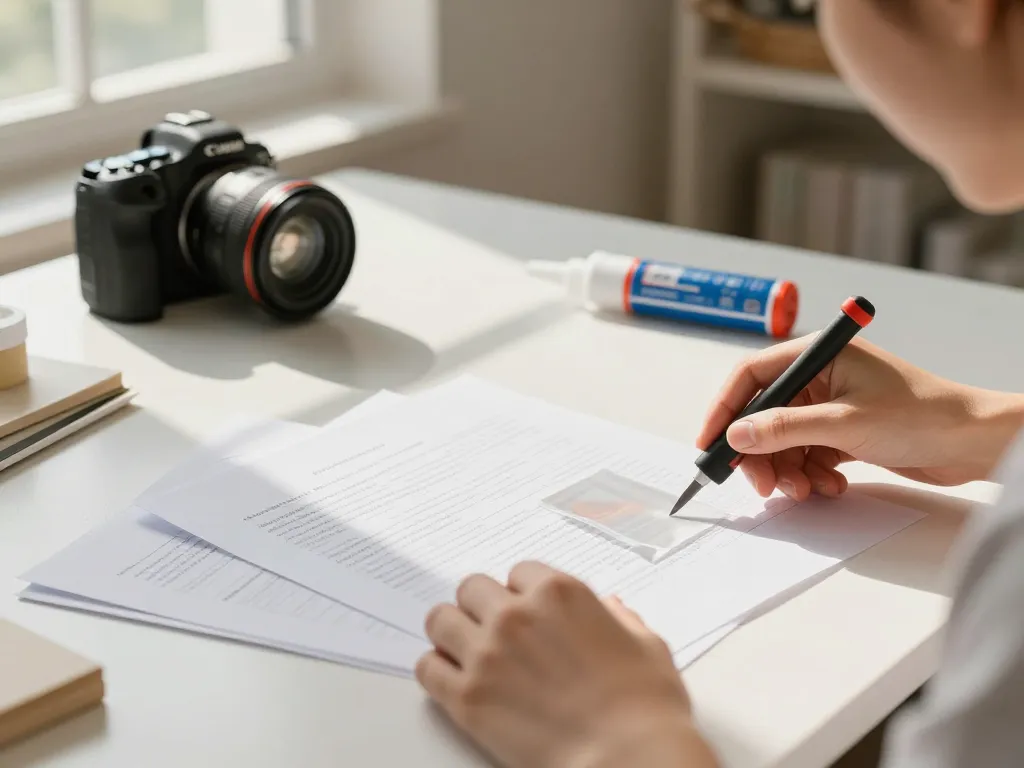
- Utilize a heat source cautiously, ensuring even distribution of heat to soften the adhesive without damaging the document.
- Gently peel the plastic layer away from the document, maintaining a steady hand.
Recommended Tools and Chemicals
It is advisable to use design-specific tools and carefully formulated chemical removers, if necessary, to ensure the integrity of the document is preserved. Products that are formulated for adhesive removal without damaging paper are often the best choice.
When to Seek Professional Help
If you find the process to be daunting or the document holds significant value, it’s best to contact a professional service. They possess the required expertise and tools to handle delicate materials effectively.
The Benefits of Choosing a Professional Service
When it comes to the safety and integrity of your important documents, opting for professional services can yield better results.
Why GT8 Stands Out in the Industry
GT8 has carved out a reputation for providing exceptional bóc ép plastic services, equipped with advanced technology and a team of experts who understand the nuances of document preservation.
Customer Testimonials and Case Studies
Numerous satisfied customers attest to GT8’s efficiency and reliability. Their case studies showcase successful restorations that highlight the expertise of their professional team and the effectiveness of their techniques.
Contact Information for Expert Assistance
If you have documents that require safe and effective lamination removal, do not hesitate to reach out to GT8 for assistance. Their commitment to quality service and customer satisfaction sets them apart.
What are the leading trends for bóc ép plastic in 2026?
As we look forward to 2026, advancements in lamination techniques, including eco-friendly materials and more effective adhesive removers, are expected to gain traction. These innovations will further enhance the safety and effectiveness of both lamination and removal processes, making it easier for consumers and professionals alike to manage document preservation.