Overview of the Everest Base Camp Trek
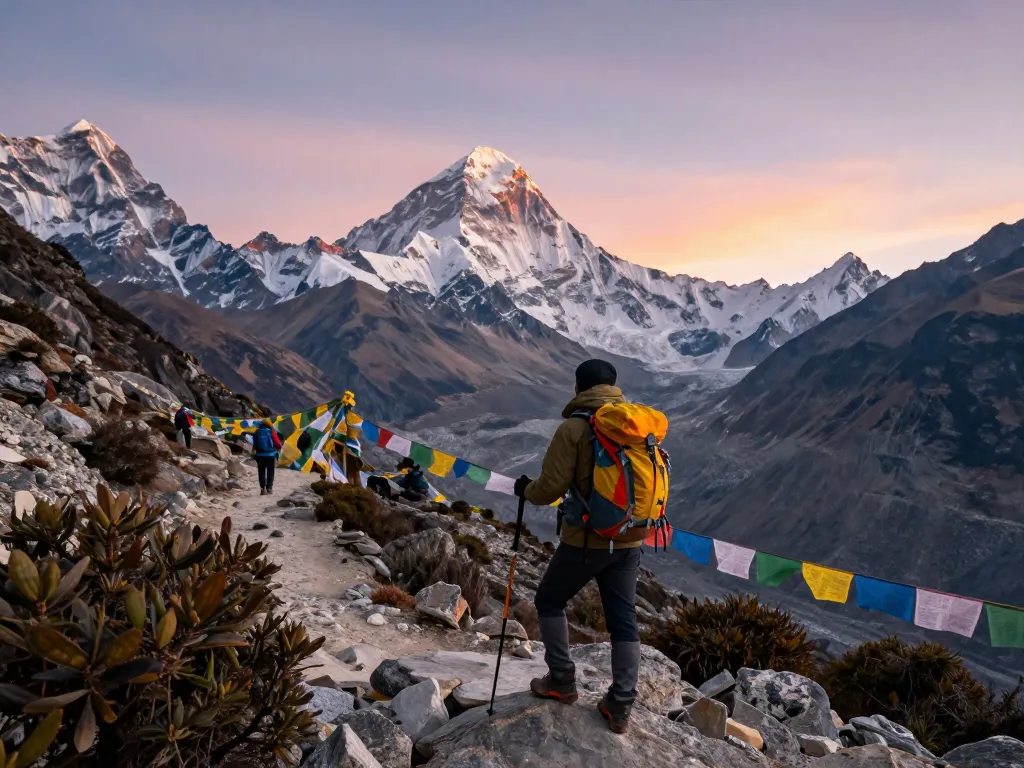
The Everest Base Camp Trek is not just a journey; it’s a transformative experience that attracts adventurers from around the globe. This challenging trek, set against the backdrop of the world’s highest peaks, promises a combination of breathtaking scenery, rich cultural encounters, and personal achievement. Over the course of 14 days, trekkers will ascend to an elevation of 5,364 meters (17,598 feet), experiencing the majestic views of Mount Everest and its neighboring giants. With proper planning and preparation, this trek can be a rewarding adventure for both seasoned trekkers and newcomers alike. When exploring options, Everest Base Camp provides comprehensive insights into the journey, itinerary, costs, and vital preparations needed to ensure a successful trek.
What to Expect from the Trek?
As you embark on the Everest Base Camp trek, be prepared for a journey that will challenge your physical limits while rewarding you with stunning landscapes and deep cultural experiences. The trek typically begins with a flight from Kathmandu to Lukla, where the adventure truly starts. Trekkers will navigate through picturesque Sherpa villages, lush forests, and arid landscapes, all while adjusting to the increasing altitude. Expect to encounter suspension bridges, ancient monasteries, and vibrant local markets that offer a glimpse into the unique lifestyle of the Sherpa people. Each day presents a new opportunity for exploration and discovery, making every moment of this trek unforgettable.
Key Highlights of the Journey
- Panoramic Views: Witness breathtaking vistas of some of the world’s tallest peaks, including Mount Everest, Lhotse, and Nuptse.
- Cultural Encounters: Engage with the warm and hospitable Sherpa community, known for their rich culture, traditions, and resilience.
- Acclimatization Days: Spend dedicated time at Namche Bazaar and Dingboche, allowing your body to adjust to the high altitude.
- Stunning Monasteries: Visit historic sites like the Tengboche Monastery, the largest monastery in the region, which offers incredible views of Mount Everest.
- Kala Patthar Hike: The trek culminates with a sunrise hike to Kala Patthar, where you can capture one of the most iconic views of Everest.
Importance of Acclimatization and Safety
Acclimatization is essential in high-altitude trekking to prevent altitude sickness. Ascending too quickly can lead to serious health issues, so following a gradual ascent is crucial. The trek is designed with built-in acclimatization days in Namche Bazaar and Dingboche. These stops allow trekkers to rest and adjust, minimizing the risks associated with high altitudes. Furthermore, safety measures, including guidelines from experienced guides and access to medical support, are provided throughout the trek. Understanding your limits and paying attention to your body’s signals can ensure a safe and enjoyable experience.
Planning Your Everest Base Camp Adventure
Proper planning is key to maximizing your trek experience. From understanding the best times to go, what permits are needed, to budgeting for the journey, careful preparation makes all the difference. This section dives deep into what you need to consider before you lace up your trekking boots.
Best Times to Trek Everest Base Camp
The best times to embark on the Everest Base Camp trek are during the spring (March to May) and autumn (September to November) seasons. In spring, the weather is generally stable, with clear skies and blooming rhododendrons, making for picturesque views. Conversely, autumn offers crisp weather and stunning landscapes after the monsoon has cleared the trails. It’s important to avoid the monsoon season (June to August) and extremely cold winter months (December to February) when conditions can be harsh.
Required Permits for the Trek
Trekking to Everest Base Camp requires several permits. The Trekking Information Management System (TIMS) permit and Sagarmatha National Park permit are mandatory for all trekkers. Additionally, the Khumbu Pasang Lhamu rural municipality entrance card is necessary. These permits ensure that the trekking routes are maintained and that the local communities benefit from tourism. The costs for these permits can vary based on nationality, and it’s advisable to check the latest regulations before your trek.
Understanding Costs: What You’ll Need
The total cost of the Everest Base Camp trek can vary depending on factors such as the trekking agency you choose, the level of service, and the extra activities you wish to include. On average, expect to budget around $1,600 to $2,000 per person for a standard package that includes permits, accommodation, food, and guide services. Additional expenses may include tips for guides and porters, souvenirs, and personal items. It’s prudent to have an additional budget for snacks, drinking water, and optional upgrades during the trek.
Physical Preparation for the Trek
To successfully complete the Everest Base Camp trek, a solid level of physical fitness is required. The trail is demanding, often involving long hours of hiking over varied terrain and altitude changes. Preparing your body is essential to enjoying the trek rather than simply enduring it.
Building Endurance for High Altitudes
Building endurance is vital for high-altitude trekking. It is recommended to engage in cardiovascular exercise, such as running or cycling, four to five times a week leading up to your trek. Focus on increasing your stamina through long-distance hikes, ideally on hilly terrain to simulate the trekking conditions you’ll face on the Everest trail. Aim for hikes that last several hours, gradually increasing the difficulty as your fitness improves.
Recommended Training Regimen
A comprehensive training regimen should include the following elements:
- Cardiovascular Exercises: Start with at least 30 minutes of moderate-intensity exercise (running, cycling, or swimming) and gradually increase to 60 minutes.
- Strength Training: Incorporate exercises that target legs and core strength, such as squats, lunges, and planks, to help you manage the strenuous terrain.
- Hill Hiking: Regularly hike on hilly or mountainous terrain to prepare your body for the elevation gain you’ll experience on the trek.
- Flexibility Training: Engage in yoga or stretching exercises to help enhance flexibility and reduce the risk of injury.
Essential Gear for the Trek
Having the right gear is crucial for a comfortable trekking experience. Key items to include in your packing list are:
- Sturdy Hiking Boots: Invest in a good pair of waterproof trekking boots with ankle support.
- Layered Clothing: Pack moisture-wicking base layers, insulating mid-layers, and waterproof outer layers to adapt to changing weather conditions.
- Sleeping Bag: A good quality sleeping bag rated for cold temperatures is essential for overnight stays in mountain lodges.
- First Aid Kit: A stocked first aid kit with altitude sickness medication, band-aids, antiseptic wipes, and any personal medications.
- Hydration System: Consider a hydration pack or reusable water bottles to stay hydrated throughout your trek.
During the Trek: Experiences and Insights
The Everest Base Camp trek is not just about reaching the destination; it’s also about the experiences and insights gathered along the way. As you traverse the trails, immerse yourself in the rich culture, engage with locals, and appreciate the stunning natural beauty surrounding you.
Cultural Interactions with Local Sherpas
Engaging with the Sherpa people can enhance your trekking experience significantly. Known for their hospitality and friendliness, the Sherpas play a vital role in the trekking industry. Take time to learn about their culture, traditions, and way of life. Visiting local monasteries and participating in cultural events can create lasting memories and deepen your understanding of the region.
Dining and Accommodation Options in the Region
Throughout the trek, trekkers will stay in teahouses that provide basic accommodations and meals. Teahouses are typically run by local families and offer a chance to experience authentic Sherpa hospitality. Meals often include traditional Nepali dishes like dal bhat (rice and lentil soup) and various noodle dishes. Some teahouses also cater to vegetarians, ensuring there are plenty of options for dietary preferences.
Environmental Considerations and Sustainability
Sustainability is a key factor to consider while trekking in the Everest region. The influx of trekkers has raised concerns about waste management and environmental protection. It’s essential to practice minimal-impact trekking by adhering to the principles of Leave No Trace, such as avoiding single-use plastics, carrying out all waste, and respecting local traditions. Engaging in sustainable trekking practices can help preserve the natural beauty of the region for future generations.
Post-Trek: What’s Next After Everest Base Camp?
Completing the Everest Base Camp trek is a significant achievement, but your adventure can extend even further. After the trek, take time to reflect on the experiences and seek out nearby attractions to enrich your journey.
Exploring Nearby Attractions and Activities
Once you return to Kathmandu, there are plenty of nearby attractions and activities to experience. Visiting historical sites like Swayambhunath (Monkey Temple) or Pashupatinath Temple can offer insight into Nepal’s rich cultural heritage. For those seeking adrenaline-fueled adventures, activities like paragliding in Pokhara or river rafting in Bhote Koshi can add excitement to your trip.
Sharing Your Experience
As you return home, consider sharing your trekking experience with friends, family, or on social media. Documenting your journey through photos and stories can inspire others to take on their own adventure and create a sense of community among fellow trekkers.
Staying Connected Post Trekking
Maintaining connections with fellow trekkers can enrich your experience even after the trek. Consider joining online communities or forums dedicated to trekking where you can share stories, tips, and future trekking plans. Remember, the friendships and memories created during your trek can last a lifetime.