Understanding Smart Homes: An Overview
As the world becomes increasingly interconnected, the concept of smart homes is gaining traction across the globe. A smart home, enhanced by technology, provides homeowners with the ability to control various systems and devices remotely, resulting in improved comfort, convenience, and security. In the context of ایران, the innovations brought forth by companies such as خانه هوشمند جهان اسمارت are setting new standards in residential living. Through the integration of intelligent systems, homeowners can monitor and manage their accommodations seamlessly, reflecting the growing demand for smarter living solutions.
What is a Smart Home?
A smart home is characterized by the incorporation of interconnected devices that can be controlled remotely or automated to enhance daily living. These devices can range from smart thermostats and lighting systems to security cameras and kitchen appliances. By utilizing Internet of Things (IoT) technology, these devices communicate with one another, creating a cohesive ecosystem that collectively improves the efficiency and functionality of a home.
Importance of Smart Home Integration
The significance of integrating smart home technology cannot be overstated. With the world becoming more technologically advanced, the integration of smart home solutions offers numerous advantages:
- Convenience: Automating daily tasks such as adjusting the heating or turning off lights can simplify life considerably.
- Energy Efficiency: Smart homes can significantly lower energy consumption, leading to financial savings on utilities.
- Enhanced Security: Features like smart locks and surveillance cameras provide peace of mind, allowing homeowners to monitor their property in real time.
Key Components of خانه هوشمند جهان اسمارت
When exploring smart home solutions, it’s crucial to understand the key components that make up such systems. The primary elements typically include:
- Smart Lighting: Allows for automated control of lighting systems based on preferences and schedules.
- Smart Thermostats: Optimize heating and cooling efficiency, often learning user habits over time.
- Security Systems: Includes smart locks, cameras, and motion detectors that enhance home security.
- Home Entertainment: Smart devices that enable audio and video control, often integrated with personal devices.
Benefits of Smart Home Technologies
The adoption of smart home technologies brings forth a multitude of benefits that can transform everyday living.
Enhanced Security Features
One of the most appealing aspects of smart homes is their ability to significantly enhance security. With systems that include smart locks, surveillance cameras, and alarm systems, homeowners have the opportunity to monitor their properties from anywhere. The integration of artificial intelligence enables these devices to learn patterns and detect unusual activities, alerting homeowners immediately to potential threats.
Energy Efficiency and Cost Savings
Smart home technologies optimize energy usage, leading to substantial savings on utility bills. For example, smart thermostats adjust temperatures based on occupancy, while smart lighting systems ensure that lights are only in use when necessary. These innovations not only reduce energy waste but also contribute to a greener environment.
Convenience and Lifestyle Improvements
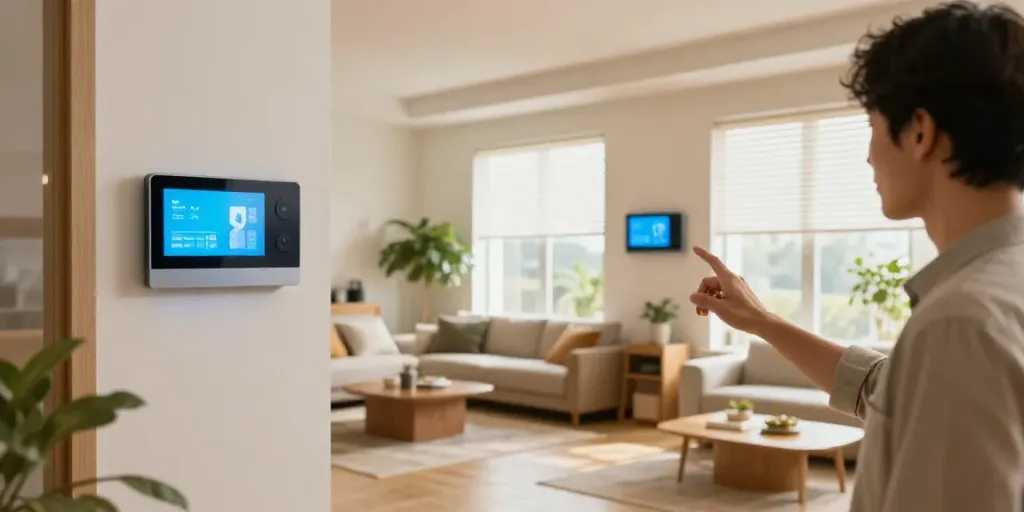
The convenience provided by smart home devices is another significant draw. With the ability to control various aspects of the home through a smartphone app or voice commands, homeowners can manage their environments effortlessly. Whether it’s preheating the oven while on the way home or adjusting the thermostat without getting up, these small conveniences can lead to a more relaxed lifestyle.
Implementing Your Smart Home System
To transition to a smart home, it's essential to plan properly. Implementing a smart home system can seem daunting, but breaking down the process into manageable steps can help.
Steps to Begin Your Smart Home Journey
Starting your journey toward a smart home involves several key steps:
- Assess Your Needs: Determine which aspects of your home you would like to automate or enhance with smart technology.
- Set a Budget: Establish a realistic budget for your smart home project. This will guide your decisions as you choose devices and systems.
- Research Products: Investigate the various smart devices available and read reviews to ensure they fit your needs and budget.
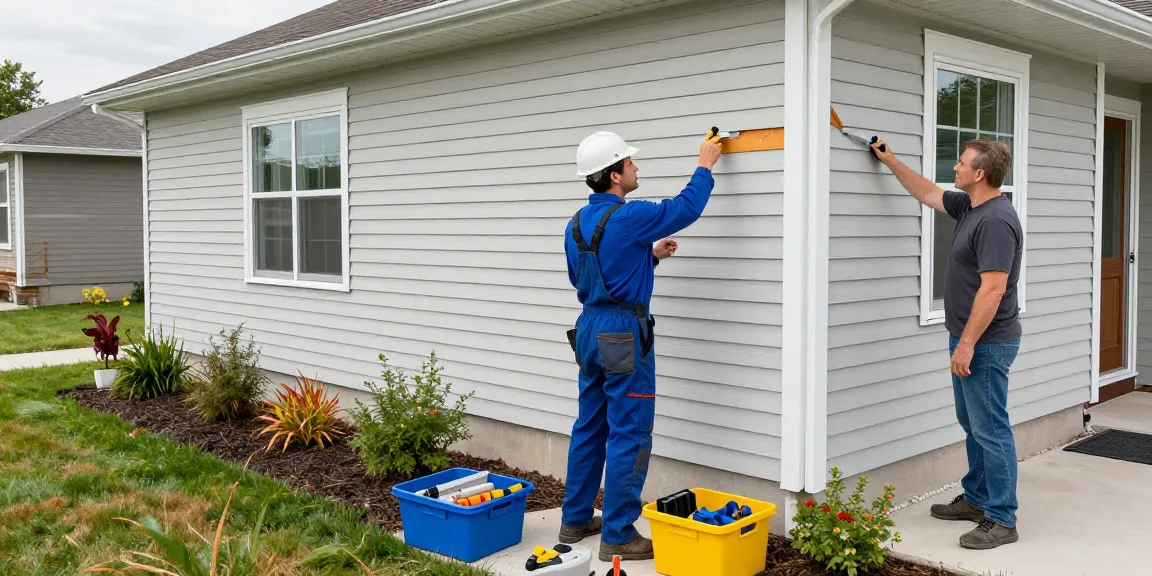
- Installation: Decide whether you will install the devices yourself or hire a professional.
Choosing the Right Devices for Your Needs
With a myriad of smart devices on the market, selecting the right ones can be overwhelming. Focus on devices that meet your specific needs—be it for security, comfort, or convenience. Consider compatibility with existing systems to ensure seamless integration.
Common Challenges in Smart Home Installation
While implementing smart home technology can be rewarding, it may come with its challenges. Issues such as compatibility between devices, Wi-Fi connectivity problems, and potential cybersecurity concerns are common. Being aware of these challenges allows for better preparation and smoother installation.
Future Trends in Smart Home Technology
The landscape of smart home technology is rapidly evolving. Staying informed about emerging trends can help homeowners make educated decisions about future upgrades.
Innovations to Watch in 2026
Looking ahead to 2026, several innovations are expected to shape the smart home industry, including:
- Integration with Renewable Energy: More homes will adopt renewable energy sources, and smart home technology will enhance the management of energy consumption.
- Advanced AI and Machine Learning: The role of AI will continue to grow, allowing for more intuitive and proactive smart home systems.
- Greater Interoperability: As industry standards evolve, devices from different manufacturers will work together more seamlessly.
The Role of AI in Smart Homes
Artificial intelligence is set to become a powerful ally in smart home technology, as it learns user preferences and behaviors. This capability will enhance automation and personalization, making homes more responsive and user-friendly.
Predictions for Home Automation Growth
With the introduction of new technologies and increasing consumer awareness, the smart home market is expected to expand significantly. Predictions indicate that more consumers will seek integrated solutions that enhance the efficiency of their living spaces while providing added convenience.
FAQs about Smart Homes
As homeowners consider the transition to a smart home, they often have numerous questions. Below are answers to some of the most common inquiries.
What are the best smart devices for beginners?
For those new to smart technology, it’s advisable to start with essential devices such as smart plugs, smart thermostats, and smart lighting. These devices are user-friendly and provide immediate benefits without overwhelming the user.
How can I improve my home’s energy efficiency with smart technology?
Implementing devices such as smart thermostats, energy-efficient appliances, and smart lighting systems can significantly improve energy efficiency. Monitoring energy consumption through smart home applications also allows homeowners to make informed decisions.
What security measures should I take when using smart devices?
To enhance security, homeowners should ensure all devices are updated with the latest firmware and use strong, unique passwords. Implementing two-factor authentication can provide an additional layer of security.
Are smart homes worth the investment?
While there is an initial investment involved, the long-term savings on energy costs, enhanced security, and convenience make smart homes a worthwhile consideration for many homeowners.
How does voice control enhance the smart home experience?
Voice control technology simplifies interaction with smart devices, allowing users to operate systems hands-free. This feature is particularly useful for multitasking or for individuals with mobility challenges, enhancing overall accessibility in the home.