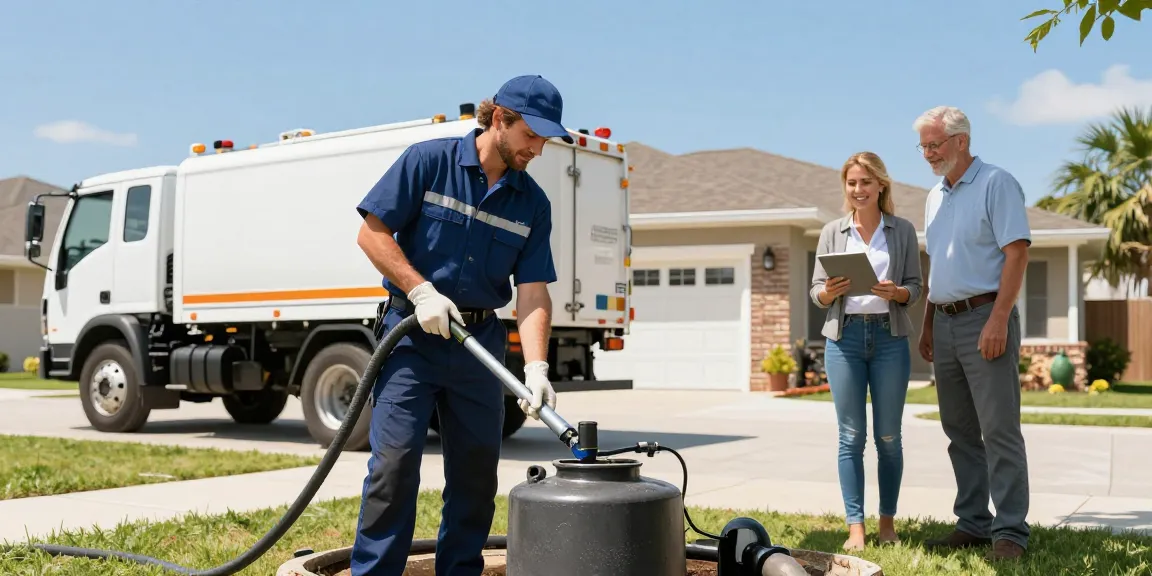
Understanding Septic Pumping Services
Septic pumping is a critical aspect of home maintenance that many homeowners overlook. This process not only keeps your septic system functioning but also protects the health of your property and the surrounding environment. With the septic pumping needs of many residents in Milton and nearby areas, it's essential to understand the nuances of this service. Whether you are a property manager or a homeowner, knowing when and how to pump your septic tank can save you from costly repairs and health hazards. When exploring options, septic pumping services offer the assistance you need to maintain this essential system.
What is septic pumping and why is it necessary?
Septic pumping refers to the process of removing sludge and scum from your septic tank. Over time, solids and organic matter accumulate at the bottom of the tank, creating a layer of sludge. If this sludge is allowed to build up, it can lead to backups or failures in the septic system. Pumping removes these materials to ensure that the system operates effectively. Additionally, regular pumping promotes the longevity of your septic system and prevents costly malfunctions that could affect your home and hygiene.
Signs your septic tank needs pumping
- Slow draining drains: If water drains slowly in your sinks, toilets, or showers, it may indicate a full septic tank.
- Unpleasant odors: Foul smells around the tank area can point to an overflowing septic system.
- Sewage backups: This is a serious sign that your septic tank needs immediate attention and pumping.
- Pooling water: Puddles of water near the drain field can signify that your septic tank is overflowing.
Frequency of septic pumping services recommended
Most experts recommend pumping your septic tank every 3 to 5 years, depending on the size of the tank and the household's water usage. Larger families or homes with frequent guests may need more frequent service. Monitoring your system's performance and recognizing the signs of a full tank can help you determine the best pumping schedule.
Choosing the Right Local Septic Pumping Provider
Selecting a reputable and licensed septic pumping service is crucial to ensure that your system is managed effectively. You should look for companies that are not only licensed but also bonded and insured, providing an added layer of protection in case of any mishaps during the service.
What to look for in a licensed septic service
- Licensing and certification: Ensure the provider is licensed to operate in your area and possesses all necessary certifications.
- Experience: Choose a company with extensive experience in dealing with various septic issues.
- Techniques and equipment: Inquire about the methods and machinery they use for pumping and maintenance.
Importance of reviews and community reputation
Before hiring a septic pumping service, check their reviews online. Community feedback can provide valuable insights into the company's reliability and customer service. Look for services with a high number of positive reviews and high ratings from previous customers.
Questions to ask before hiring a provider
- What are your rates, and do you provide a written estimate?
- Are you licensed and insured?
- What methods do you use to pump septic tanks?
- Can you provide references from past clients?
Septic Pumping Costs: What to Expect
Understanding the financial aspects of septic pumping services helps homeowners budget accordingly. Costs can vary based on several factors such as tank size, local regulations, and the specific service provider.
Factors influencing septic pumping prices
- Tank Size: Larger tanks naturally require more effort and time to pump.
- Accessibility: If the tank is difficult to reach, additional charges may apply.
- Location: Service rates may differ based on local market conditions.
Average costs in 2026 for septic pumping services
In 2026, the average cost for septic pumping ranges from $250 to $895. Generally, homeowners can expect to pay about $450 for standard service, but this cost can fluctuate based on the factors mentioned above. Proper budgeting and understanding of these rates will enable homeowners to make informed decisions.
Understanding additional fees and services
Providers might charge extra for services such as tank inspections, repairs, and maintenance of additional septic components. Always inquire about potential additional costs ahead of time to avoid surprises on the bill.
Maintaining Your Septic System: Tips and Best Practices
Ongoing maintenance is crucial in ensuring the proper functioning of your septic system and prolonging its lifespan. Here are essential tips for homeowners to consider:
Regular maintenance for prolonged system health
- Schedule regular pumping according to your usage and tank size.
- Monitor waste disposal habits—avoid flushing non-biodegradable items.
Common mistakes to avoid with septic systems
- Ignoring early warning signs of tank issues, which can lead to severe problems.
- Overloading the system with excess water usage.
Seasonal maintenance tips for your septic tank
During heavy rains or winter, ensure your drain field is not saturated and adjust water usage to keep your system balanced. Conduct inspections post-storms to assess for potential damages.
Emergency Septic Pumping Services
In cases of septic tank backup or overflow, it is crucial to act quickly. Emergency septic pumping services can provide same-day or urgent assistance to mitigate damage.
When to call for emergency pumping services
Emergency services should be contacted when you notice significant backups, foul odors permeating your yard, or pooling wastewater. These situations can lead to severe health risks and environmental hazards.
How local providers offer same-day services
Local septic service providers often have the infrastructure and personnel to cater to emergency requests. When selecting a provider, ask about their emergency protocols and ensure they can respond swiftly.
What to expect during an emergency septic pump
During an emergency pumping, a technician will assess the situation, check for blockages, and pump out the tank until it reaches optimal levels. For more information, Miltonsepticpumping.com offers valuable insights. They may also inspect connected pipes and recommend necessary repairs.