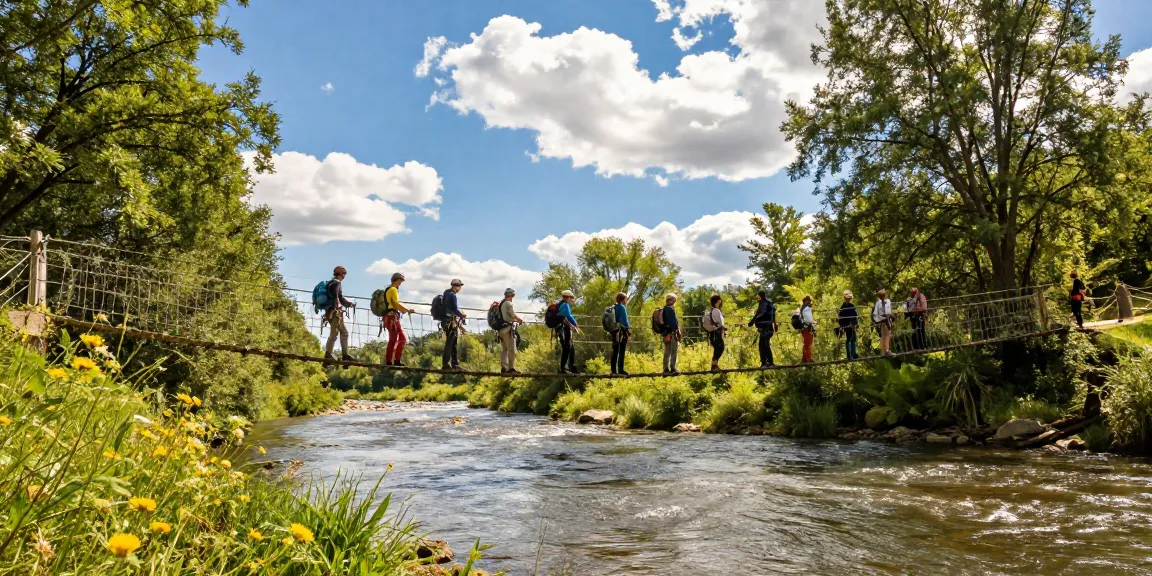
Understanding River Rope Bridges
River rope bridges are not only a functional means of crossing waterways but also stunning examples of engineering that harmoniously blend with nature. These bridges, often suspended high above the ground, offer breathtaking views while providing access to remote areas. Their design can vary significantly depending on the geographical context and intended use, ranging from simple crossings to elaborate architectural landmarks. When exploring options, River Rope Bridge projects can inspire creativity and innovation.
What is a River Rope Bridge?
A river rope bridge is a type of suspension bridge that uses ropes or cables for support, allowing pedestrians to cross rivers and other obstacles. These bridges often consist of wooden planks or wire mesh for the walkway, suspended between two or more anchor points on either side of a riverbank. The design prioritises both functionality and aesthetic appeal, making them popular in parks, nature reserves, and tourist attractions.
Types of River Rope Bridges Explained
- Simple Rope Bridges: Often made from basic materials like wood and rope, these bridges are easy to build and maintain, ideal for casual hikers or campers.
- Suspension Bridges: These structures rely on cables or ropes strung between tall towers, allowing for longer spans and greater heights, suitable for larger rivers or more challenging terrains.
- Modern Composite Bridges: Combining traditional designs with modern materials like synthetic ropes and reinforced composites, these bridges offer increased durability and lower maintenance.
Common Uses and Applications
River rope bridges serve various purposes, including:
- Access points for hikers and campers in remote areas
- Tourist attractions that enhance the natural beauty of a location
- Functional crossings for locals in rural and mountainous regions
- Training grounds for military or rescue operations
Design and Construction of River Rope Bridges
Materials Required for Building
The choice of materials for building a river rope bridge depends on its intended use and the environment. Common materials include:
- Rope or Cable: High-strength synthetic ropes or cables are preferred for their durability and lightweight properties.
- Decking: Wooden planks, metal grating, or mesh provide a stable walking surface.
- Anchors: Heavy-duty anchors or concrete footings to ensure stability against weather and weight loads.
Essential Design Principles
Effective design principles for a river rope bridge include:
- Load Capacity: Determining the maximum weight the bridge can support, including pedestrian traffic and environmental factors.
- Safety Features: Including handrails, non-slip surfaces, and reinforced support structures to enhance user safety.
- Environmental Considerations: Ensuring that the construction method and bridge design have minimal impact on the surrounding wildlife and ecosystem.
Safety Standards and Regulations
Compliance with local and national safety regulations is vital when constructing river rope bridges. These standards often dictate aspects such as:
- Minimum load requirements
- Maintenance protocols
- Inspection frequency and safety checks
Crossing River Rope Bridges Safely
Preparation and Planning for Safe Crossings
Before embarking on a crossing, proper preparation is essential to ensure safety. Considerations include:
- Assessing the weather conditions and river current
- Wearing appropriate gear, such as sturdy footwear and safety harnesses
- Group coordination to prevent overcrowding on the bridge
Techniques for Navigating River Rope Bridges
To navigate a river rope bridge safely:
- Take Your Time: Walk slowly and steadily to maintain balance.
- Use Handrails: Always use the handrails if available for additional support.
- One at a Time: When possible, cross one person at a time to distribute weight evenly.
Common Mistakes to Avoid
Avoiding certain pitfalls can enhance safety and enjoyment:
- Trying to cross in high winds or inclement weather
- Overloading the bridge with too many people or heavy gear
- Ignoring established safety rules and guidelines
The Environmental Impact of River Rope Bridges
Sustainable Practices in Bridge Construction
Building environmentally friendly river rope bridges involves adopting sustainable practices, such as:
- Using locally sourced materials to reduce transportation emissions
- Employing eco-friendly construction techniques
- Implementing design features that promote wildlife movement and habitat protection
Impact on Local Wildlife and Ecosystems
While river rope bridges can enhance accessibility, it is essential to consider their potential impact on local ecosystems. Proper planning can mitigate negative effects, ensuring that:
- The bridge does not obstruct wildlife corridors or breeding grounds
- Construction activities do not harm local flora and fauna
Case Studies of Successful Projects
Notable river rope bridge projects demonstrate successful integration with the environment:
- The Q’eswachaka Bridge in Peru is a UNESCO World Heritage Site, showcasing traditional construction methods while preserving local culture.
- The Suspension Bridge in Carrick-a-Rede, Northern Ireland, balances tourism and conservation efforts in its design.
The Future of River Rope Bridges
Emerging Trends and Innovations
Innovations in materials and design are shaping the future of river rope bridges. Emerging trends include:
- Using smart technology to monitor structural integrity in real-time
- Adopting modular designs that allow for easier assembly and disassembly where needed
Technological Advances in Bridge Engineering
Technological advancements are enhancing the efficacy and safety of river rope bridge projects. For example:
- Advanced materials such as carbon fibre ropes offer improved strength-to-weight ratios.
- 3D printing technology is enabling rapid prototyping of bridge components, reducing fabrication time.
Predictions for 2026 and Beyond
Looking towards 2026 and beyond, the focus will likely shift towards greater sustainability and resilience in engineering. Experts predict:
- A growing emphasis on designs that minimise environmental impact while maximising user experience
- Increased collaboration between engineers, ecologists, and local communities to create bridges that enhance both access and conservation
What are the benefits of using a river rope bridge?
River rope bridges offer numerous benefits, including enhanced access to remote areas, opportunities for tourism, and minimal disruption to the environment compared to traditional bridges.
How much does it cost to build a river rope bridge?
The cost of building a river rope bridge can vary significantly based on materials, design complexity, and location. However, prices typically range from a few thousand to tens of thousands of pounds.
Where are famous river rope bridges located?
Famous examples of river rope bridges include the Carrick-a-Rede Rope Bridge in Northern Ireland and the Q’eswachaka Bridge in Peru, both showcasing unique cultural and engineering significance.
What safety gear is needed for crossing?
Essential safety gear for crossing includes a harness, safety helmet, and sturdy footwear, particularly in challenging terrain or adverse weather conditions.
How do I maintain a river rope bridge?
Regular inspections, cleaning debris, and replacing worn ropes or decking are crucial for maintaining a river rope bridge in good condition. Creating a maintenance schedule will help ensure safety and longevity.