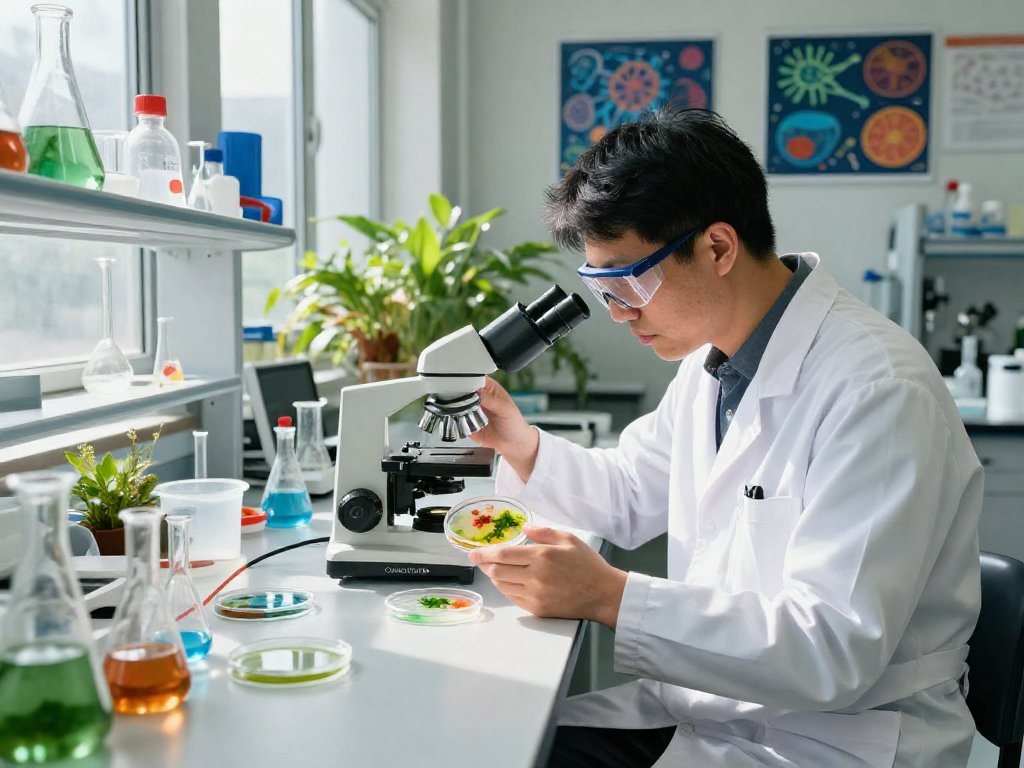
Understanding Microalgae Astaxanthin: The Basics
Microalgae astaxanthin is a powerful antioxidant derived from certain types of microalgae, particularly Haematococcus pluvialis. This carotenoid has garnered significant attention in recent years due to its impressive health benefits and its role in supporting overall wellness. As the demand for natural supplements continues to rise, understanding the fundamentals of microalgae astaxanthin becomes essential for health enthusiasts seeking to enhance their nutritional intake. When exploring options, microalgae astaxanthin provides comprehensive insights into this remarkable compound.
What is Microalgae Astaxanthin?
Microalgae astaxanthin is a red-orange pigment that belongs to the xanthophyll family of carotenoids. It is primarily found in microalgae, yeast, and certain crustaceans, including shrimp and crabs. This pigment not only gives these organisms their vibrant color but also serves as a crucial protective mechanism against environmental stressors such as UV radiation and oxidative damage. The high potency of astaxanthin, often termed "the king of carotenoids," makes it a popular ingredient in health supplements aimed at enhancing vitality and longevity.
The Nutritional Benefits of Microalgae Astaxanthin
Astaxanthin is renowned for its exceptional ability to scavenge free radicals, making it one of the most potent antioxidants available. Research suggests that it is over 6000 times stronger than vitamin C and significantly more effective than other antioxidants such as beta-carotene and vitamin E. This remarkable antioxidant capacity contributes to a variety of health benefits, including:
- Supporting cardiovascular health
- Enhancing exercise performance
- Reducing inflammation
- Improving immune system function
How Microalgae is Cultivated for Astaxanthin
The cultivation of microalgae for astaxanthin extraction typically takes place in controlled environments that optimize growth conditions. These conditions involve careful management of light, temperature, and nutrients to maximize astaxanthin production. Some methods used include:
- Open ponds: Large outdoor ponds where sunlight helps cultivate microalgae.
- Photobioreactors: Closed systems that allow for controlled cultivation, minimizing contamination and maximizing productivity.
- Fermentation: Using specific strains of yeast or bacteria that are engineered to produce astaxanthin.
Health Benefits of Microalgae Astaxanthin
The health benefits associated with microalgae astaxanthin are diverse and impactful. From its antioxidant properties to its specific influences on eye and skin health, this compound plays a crucial role in modern nutrition. With the rising interest in natural remedies and holistic health, understanding these benefits is essential for anyone considering incorporating astaxanthin into their lifestyle.
Antioxidant Properties and Their Importance
Antioxidants are vital for combating oxidative stress, a significant contributor to many chronic diseases. Microalgae astaxanthin’s robust antioxidant properties help to neutralize free radicals, thereby protecting cells and tissues from damage. Studies have demonstrated its potential in:
- Reducing oxidative stress levels in athletes, potentially enhancing recovery times.
- Lowering the risk of neurodegenerative diseases by protecting brain cells.
- Supporting skin health by preventing UV damage.
Microalgae Astaxanthin and Eye Health
Astaxanthin has been shown to promote eye health by supporting the integrity of the retina and optic nerve. Its ability to cross the blood-retinal barrier allows it to exert protective effects against conditions like macular degeneration. Research indicates that:
- Astaxanthin may improve vision by reducing eye fatigue.
- It can help counteract the effects of prolonged screen time, prevalent in today's digital world.
Impact on Skin Health and Aging
As a naturally occurring antioxidant, microalgae astaxanthin plays a significant role in maintaining skin health and reducing signs of aging. It aids in:
- Improving skin elasticity and moisture retention.
- Reducing the appearance of fine lines and wrinkles.
- Protecting against UV-induced skin damage.
Choosing Quality Microalgae Astaxanthin Products
When considering adding microalgae astaxanthin to your health regimen, selecting the right product is crucial for ensuring efficacy and safety. The market is flooded with various supplements, which makes it essential to know what to look for.
How to Identify High-Quality Astaxanthin Supplements
Identifying high-quality astaxanthin supplements involves examining several factors, including:
- Source: Ensure that the astaxanthin is derived from Haematococcus pluvialis, known for its superior quality.
- Form: Look for products in liquid or softgel form, as they typically have better absorption rates.
- Purity: Check for third-party testing to verify purity and the absence of contaminants.
Common Ingredients to Look For
A quality astaxanthin supplement may include additional supportive ingredients that enhance its benefits. Commonly desired additions include:
- Omega-3 fatty acids: Known for their anti-inflammatory properties.
- Coenzyme Q10: A powerful antioxidant that supports cellular energy.
- Vitamin E: Complementing the antioxidant effects of astaxanthin.
Recommended Dosages and Usage Guidelines
The appropriate dosage of astaxanthin can vary based on individual health goals. Generally, doses range from 4 to 12 mg per day. It's advisable to consult with a healthcare professional before starting any new supplement regimen to tailor the dosage to your specific needs and health conditions.
Incorporating Microalgae Astaxanthin into Your Diet
Integrating microalgae astaxanthin into your daily routine doesn't have to be complicated. With various options available, including supplements and food sources, you can easily enjoy its benefits.
Delicious Recipes with Microalgae Ingredients
Incorporate microalgae into your meals with these simple recipe ideas:
- Astaxanthin smoothies: Blend fruits, vegetables, and a scoop of astaxanthin powder for a vibrant and nutrient-packed drink.
- Pasta with algae pesto: Use algae powder to enhance your homemade pesto sauce, adding not only flavor but also nutrition.
Combining Astaxanthin with Other Nutrients
For optimal benefits, consider pairing microalgae astaxanthin with other nutrients. Some effective combinations include:
- With curcumin: Both provide powerful antioxidant properties, enhancing overall efficacy.
- With zinc: Beneficial for skin health and may improve astaxanthin absorption.
Practical Tips for Daily Consumption
To maximize the benefits of microalgae astaxanthin, consider the following tips:
- Consistency is key; take your supplement at the same time each day.
- Pair astaxanthin with healthy fats to improve absorption.
- Stay hydrated to support overall health and supplement efficacy.
The Future of Microalgae Astaxanthin in Health
The potential for microalgae astaxanthin in the health industry is immense. With ongoing research and innovations emerging, the future looks promising for this powerhouse antioxidant.
Emerging Research and Innovations
Scientific studies continue to uncover new applications for microalgae astaxanthin. Current research focuses on:
- The effects of astaxanthin on cognitive function and neuroprotection.
- Investigating its potential in metabolic syndrome management.
- Utilizing astaxanthin in sports nutrition for enhanced performance and recovery.
Predictions for Astaxanthin Use in 2026 and Beyond
As awareness of the benefits of microalgae astaxanthin grows, we can expect to see increased incorporation into various products ranging from functional foods to cosmetic applications. Predictions suggest:
- Continued growth in the dietary supplement market driven by consumer demand for natural antioxidants.
- Expansions in clinical studies supporting its efficacy in treating chronic health issues.
Conclusion: The Role of Microalgae in Future Health Trends
Microalgae astaxanthin represents a vital component in the future of nutritional health. As more studies validate its health benefits, this compound is likely to become a staple in health-conscious diets and wellness regimens. The emphasis on natural, plant-based supplements aligns seamlessly with the growing demand for holistic health solutions, ensuring that microalgae astaxanthin will play a significant role in shaping the future of health and wellness.
What are the side effects of microalgae astaxanthin?
Microalgae astaxanthin is generally considered safe for consumption, with few reported side effects. However, some individuals may experience mild digestive upset or skin discoloration in rare cases. It is advisable to consult with a healthcare professional before beginning supplementation, especially for those with underlying health issues or who are pregnant.
How does microalgae astaxanthin compare to other antioxidants?
Microalgae astaxanthin is often regarded as one of the most potent antioxidants available. Unlike many other antioxidants, astaxanthin can cross the blood-brain barrier, providing unique protective benefits for both the brain and eyes. Its superior efficacy in neutralizing free radicals positions it as a leading contender in the antioxidant arena.
Can microalgae astaxanthin improve athletic performance?
Emerging research suggests that microalgae astaxanthin may enhance athletic performance by reducing exercise-induced muscle damage and inflammation. Athletes who incorporate astaxanthin into their regimen report improved recovery times, allowing for enhanced training consistency.
Is microalgae astaxanthin suitable for vegetarians and vegans?
Yes, microalgae astaxanthin is suitable for both vegetarians and vegans, as it is derived from algae rather than animal sources. This makes it an excellent option for those following plant-based diets looking for natural supplements to support their health.
Where can I buy quality microalgae astaxanthin supplements?
Quality microalgae astaxanthin supplements can be found at health food stores, specialty supplement shops, and online retailers. Always look for products that provide transparency regarding their sourcing, extraction methods, and third-party testing for purity and potency.