The Evolution of Fast Food Menus
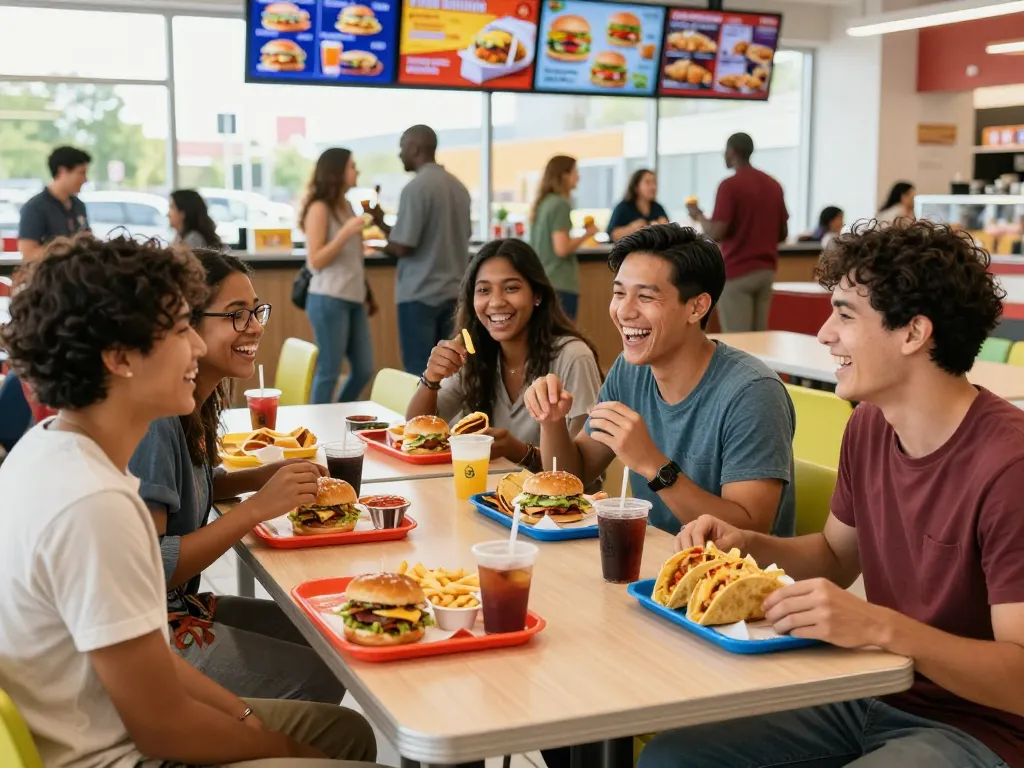
Fast food has significantly evolved from its humble beginnings, becoming a staple of modern dining culture. Initially, fast food establishments focused primarily on simple, quick-to-prepare items like burgers and fries. However, today’s fast food menu options reflect a much broader range of culinary diversity, catering to changing consumer palates and dietary preferences. This evolution stems from various factors, including cultural shifts, health trends, and technological advancements that have reshaped how food is prepared, served, and consumed.
Historical Overview of Fast Food Menus
The concept of fast food originated in the 1920s with the introduction of drive-in restaurants. These establishments allowed customers to order food directly from their cars, bringing convenience to the dining experience. The establishment of White Castle in 1921 marked a significant milestone as it became the first fast food chain to sell food at a national scale. Following this, McDonald's revolutionized the industry in the 1950s with its assembly line model of food preparation, which allowed for quick service and consistent quality across locations.
Key Changes in Consumer Preferences
As society evolved, so did consumer tastes. The demand for healthier, innovative options has compelled fast food chains to diversify their menus significantly. Today, vegetarian, vegan, and gluten-free options are a standard offering, reflecting the growing awareness of health and nutrition among consumers. Additionally, customization has become a key trend, allowing customers to alter their meals to fit their dietary needs and personal preferences.
Impact of Health Trends on Fast Food Options
Health trends have considerably impacted fast food menus. Chains are now focusing on transparency regarding ingredients and nutritional value, responding to consumer demands for healthier choices. Many brands have introduced options that feature whole grains, organic produce, and lean proteins while reducing sodium and unhealthy fats. Additionally, marketing campaigns now often highlight these health-conscious menu items, aiming to attract a more health-oriented clientele.
Popular Fast Food Chains and Their Menus
Several fast food chains are renowned for their distinctive offerings, attracting millions of customers worldwide. Each brand has developed a unique identity through its menu, which reflects not only tastes but also the demographic it serves.
McDonald's: Iconic Favorites and New Additions
McDonald's remains the quintessential fast food chain, famous for its Big Mac and fries. Over the years, the brand has expanded its menu to include healthier options such as salads and fruit smoothies, as well as localized items like the McAloo Tikki in India. Innovations like the McCafe line of coffee and pastries have also attracted new customers, demonstrating the brand's adaptability in a changing market.
Wendy's: Fresh Ingredients and Unique Offerings
Wendy's distinguishes itself with a commitment to fresh, never-frozen beef and a diverse menu that includes salads, baked potatoes, and unique items like the Spicy Chicken Sandwich. The brand is well-known for its creative and often humorous social media presence, which resonates with a younger audience and positions Wendy's as a relatable and fun option in the fast food market.
Burger King: Competitive Pricing and Menu Innovations
Burger King has carved its niche with its flame-grilled burgers and the famous Whopper. The chain’s pricing strategy is competitive, often featuring meal deals aimed at budget-conscious consumers. Recent menu innovations include plant-based options like the Impossible Whopper, appealing to the growing demographic of plant-based eaters. This adaptability is vital as the fast food market continues to evolve.
Regional Variations in Fast Food Menus
Fast food menus are not one-size-fits-all; they often reflect regional preferences and cultural influences, creating a rich tapestry of offerings across different locations.
Fast Food Menus Across the United States
In the United States, fast food menus vary significantly by region. For instance, Southern states often feature fried chicken and biscuits, while West Coast menus may emphasize fresh, organic ingredients. Chains like In-N-Out Burger are localized, offering a limited menu that emphasizes quality over quantity, which has helped cultivate a loyal following.
Cultural Influences on Fast Food Offerings
Cultural influences shape fast food menus tremendously. Chains adjust their offerings to resonate with local tastes and dietary restrictions. For example, Taco Bell often includes menu items that cater to the Hispanic community, while fast food operations in Asia may serve rice dishes or include traditional flavors that cater to local culinary preferences.
Trending Menu Items in Various Locations
Across the nation, certain menu items gain popularity and become trends. For example, Hawaiian fast food chains like L&L Drive-In focus on plate lunches featuring rice, macaroni salad, and grilled meats, filling a niche that speaks to both local and tourist populations. Similarly, the rise of gourmet-style burgers and food trucks serving eclectic fast food reflects changing consumer demands for unique dining experiences.
Health and Nutritional Considerations
As awareness of health issues grows, fast food chains are under increasing scrutiny regarding their menu offerings. Consumers are becoming more educated about the nutritional implications of their food choices, prompting many chains to pivot towards healthier alternatives.
Understanding Caloric Content and Nutritional Value
Fast food chains are now required to display nutritional information, allowing consumers to make informed decisions. This shift has led many brands to reformulate products to reduce calories, fats, and sugars while increasing fiber and protein content. Understanding caloric content is crucial for health-conscious customers who still seek the convenience of fast food.
Healthier Fast Food Choices for Consumers
Fortunately, consumers have access to a growing number of healthier fast food choices. Many chains now offer salads with lean protein, grilled instead of fried options, and sides like fruit instead of fries. Fast-food chains are increasingly catering to the health-conscious by providing clear options and customizing meals to fit specific dietary needs.
Regulatory Trends Affecting Fast Food Menus
Regulatory trends are also impacting fast food menus. Changes in legislation regarding food sourcing, nutritional information disclosure, and marketing practices are causing chains to adapt. For example, some states mandate calorie counts be displayed on menus, while others have introduced taxes on sugary drinks. Such regulations encourage chains to offer healthier alternatives and promote transparency in how food is prepared and served.
Future of Fast Food Menus in 2026 and Beyond
The future of fast food menus looks promising, driven by innovation and changing consumer expectations. The coming years will likely see further advancements in technology and sustainability practices that will shape how fast food is prepared and consumed.
Emerging Food Technology and Innovations
Emerging food technologies, including robotics and artificial intelligence, are expected to be integrated into the fast food industry. This tech can streamline operations, improve food safety, and potentially reduce costs. Innovations like automated ordering kiosks and mobile apps for customization are already in use, enhancing the consumer experience.
Consumer Demands for Sustainability and Transparency
As sustainability continues to be a significant concern, fast food chains are likely to explore more eco-friendly packaging and sourcing practices. Consumers are increasingly demanding transparency about where their food comes from and how it is produced. This trend will compel chains to adopt sustainable practices, not just for marketing, but as a core operational philosophy.
Predictions for Fast Food Menus in the Next Decade
Looking ahead, fast food menus will likely include an even broader range of plant-based proteins, international cuisines, and customizable options that cater to health-conscious consumers. The shift towards a more diverse offering will create a competitive landscape, where brands must continuously innovate to stay relevant and appealing to a sophisticated audience.