- Understanding Common Commercial Refrigerator Problems
- Effective Diagnostic Techniques for Quick Resolution
- Step-by-Step Repair Process for Common Issues
- Importance of Regular Maintenance in Preventing Breakdowns
- Future Trends in Commercial Refrigerator Technology and Service
- Frequently Asked Questions about Commercial Refrigerator Repairs
Understanding Common Commercial Refrigerator Problems
In the bustling environments of restaurants, grocery stores, and commercial kitchens, maintaining the functionality of commercial refrigerators is critical for preserving food quality and safety. When these vital appliances encounter issues, the implications can be severe—product loss, rising temperatures, and potential health code violations can all arise from a malfunctioning unit. Understanding common problems and their signs can help you act swiftly to mitigate risks. When exploring options, Commercial Refrigerator Repair services offer expert solutions tailored to your needs.
What Symptoms Indicate a Need for Repair?
Recognizing the symptoms that signal a refrigerator’s need for repair is the first step towards quick resolution. Common indicators include:
- Temperature Fluctuations: If food items are not maintaining the desired temperature, it could signify a malfunctioning thermostat or a refrigerant leak.
- Unusual Noises: Buzzing or clicking sounds often indicate failing components that need immediate attention.
- Water Leaks: Puddles under or around the unit can result from clogged drain lines or damaged seals.
Common Issues: Overheating, Leaks, and Noise
Many commercial refrigerator issues arise from three major problems: overheating, leaks, and excessive noise. Overheating often points to blocked condenser coils or a malfunctioning compressor. Leaks can result from a variety of issues such as compromised seals or refrigerant line failures. Noise, particularly loud buzzing or clicking, typically indicates mechanical failure within components like the compressor or fan motor. Identifying these signs early can save time and money in repairs, preserving the integrity of your perishable inventory.
Identifying the Root Causes of Malfunctions
Once symptoms are recognized, it is crucial to probe deeper for their root causes. This may involve a detailed inspection of components and systems involved in the refrigeration process. Factors such as the age of the unit, maintenance history, and type of use all contribute to the likelihood of these malfunctions. For instance, older models may be more prone to refrigerant leaks due to degraded seals over time, while newer devices could face issues with electronic components failing prematurely.
Effective Diagnostic Techniques for Quick Resolution
Initial Inspection Checklist for Technicians
Technicians conducting an initial inspection should adhere to a comprehensive checklist to diagnose issues effectively. This may include:
- Visual inspection of the unit for physical damage.
- Checking temperature settings and controls for accuracy.
- Listening for irregular sounds that indicate component failures.
- Inspecting seals and gaskets for wear and tear.
Tools and Equipment Needed for Accurate Diagnostics
Proper diagnostics rely heavily on specialized tools. Essential equipment may include:
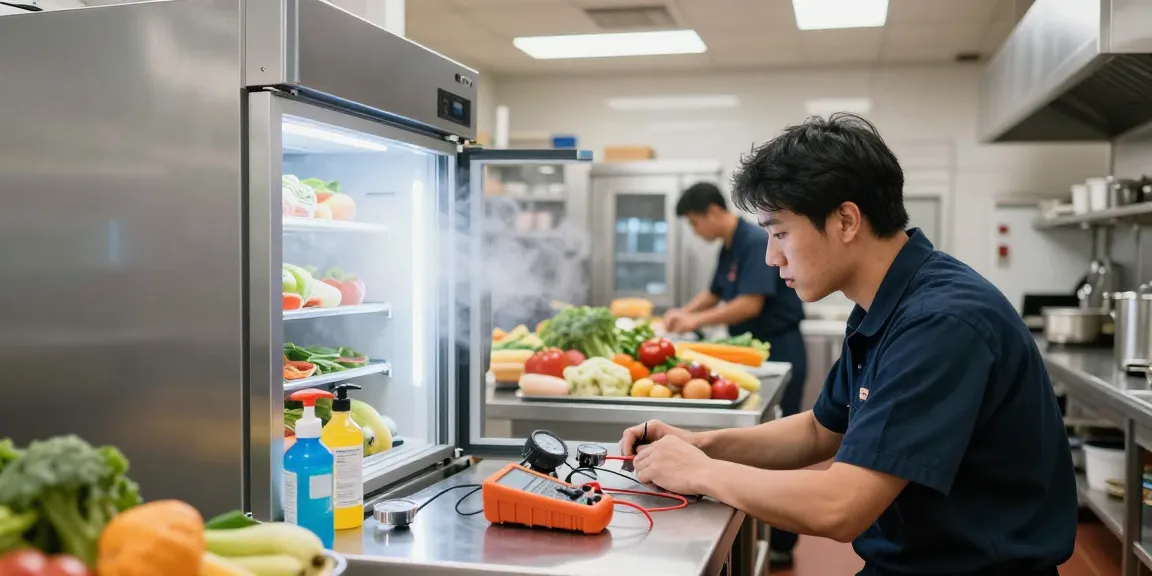
- Multimeters for electrical diagnostics.
- Temperature gauges to monitor refrigeration performance.
- Leak detectors for identifying refrigerant leaks.
Using Professional Techniques to Discover Hidden Issues
While visible symptoms provide valuable insight, some issues may be hidden. Professionals employ techniques such as pressure testing and thermal imaging to uncover less obvious problems. These methods can highlight inefficiencies and potential points of failure, allowing technicians to address them before they escalate into costlier repairs.
Step-by-Step Repair Process for Common Issues
Handling Refrigerant Leaks and Sealed System Repairs
Refrigerant leaks are one of the most common and serious issues encountered in commercial refrigeration. The repair process typically involves:
- Identifying the leak using specialized detection equipment.
- Repairing or replacing damaged components.
- Recharging the system with the appropriate type and amount of refrigerant.
Replacing Temperature Sensors and Defrost Timers
Temperature sensors and defrost timers directly influence the refrigeration cycle. Here’s how they are replaced:
- Turn off the power to the refrigerator.
- Access the faulty component, typically located near the evaporator coil.
- Remove the defective unit and install a new one, ensuring connections are secure.
Dealing with Mechanical Failures like Compressors
Mechanical failures, particularly in compressors, can result in complete system failure. Repairing these components requires:
- Diagnosing the specific failure—whether it’s electrical, mechanical, or a refrigerant issue.
- Replacing damaged parts, such as valves or motors, as needed.
- Testing the system for proper operation before finalizing the repair.
Importance of Regular Maintenance in Preventing Breakdowns
Establishing a Routine Maintenance Schedule
Regular maintenance is critical in extending the life of a commercial refrigerator. Establishing a routine maintenance schedule allows for timely inspections and addressing any potential issues before they lead to breakdowns. Typical maintenance tasks might include cleaning condenser coils, checking for leaks, and ensuring doors seal properly.
Key Maintenance Tasks for Longevity and Efficiency
Some essential maintenance tasks to incorporate into your routine include:
- Wiping down the interior and exterior surfaces to avoid contamination.
- Checking and replacing air filters regularly to ensure proper airflow.
- Testing temperature settings to confirm accuracy.
How to Train Staff on Equipment Care
Staff training is vital in maintaining the operational efficiency of commercial refrigerators. Employees should be educated on:
- The importance of reporting any unusual sounds or temperature changes immediately.
- Proper shelving and storage techniques to allow for proper air circulation.
- Routine cleaning and maintenance practices.
Future Trends in Commercial Refrigerator Technology and Service
Emerging Technologies in Refrigeration Systems
The refrigeration industry is evolving, with innovations aimed at enhancing efficiency and sustainability. Emerging technologies such as smart refrigeration systems, which utilize IoT (Internet of Things) for real-time monitoring, are becoming more prevalent. These systems can provide alerts for any irregularities, prompting proactive maintenance and repairs.
Impact of Eco-Friendly Solutions on Repair Practices
With rising environmental concerns, many manufacturers are shifting towards eco-friendly refrigerants. Repair practices will need to adapt to accommodate these newer systems, which may also involve keeping abreast of changing regulations regarding refrigerant use.
What to Expect in Commercial Refrigerator Services by 2026
Looking forward, the commercial refrigerator service landscape will likely focus on advanced diagnostics, rapid-response times, and extensive training for technicians. Businesses can anticipate increased integration of AI-driven maintenance technologies that will minimize downtime and maximize operational efficiency.
Frequently Asked Questions about Commercial Refrigerator Repairs
What Are the Signs That My Commercial Refrigerator Needs Repair?
Common signs that indicate a need for commercial refrigerator repair include fluctuating temperatures, unusual noises, and water pooling around the unit. Prompt action at the first sign of these symptoms can prevent more significant issues.
How Much Can I Expect to Spend on Commercial Refrigerator Repairs?
The cost of repairs can vary significantly based on the issue at hand and the type of unit. Generally, repairs can range from $250 to $600, depending on the complexity and parts needed. Simple fixes like door seal replacements may cost less, while compressor issues can be more expensive.
Why Is Regular Maintenance Important for Commercial Refrigerators?
Routine maintenance is essential in preventing unexpected breakdowns and extending the lifespan of your equipment. It ensures that all components function correctly, reducing the likelihood of costly repairs in the future.
Can All Brands of Commercial Refrigerators Be Repaired?
Yes, most brands of commercial refrigerators can be repaired, provided that parts are available. It’s crucial to work with technicians who are experienced in servicing various brands and models to ensure effective repairs.
What Should I Do in an Emergency Refrigerator Situation?
In the event of a refrigerator emergency, immediately turn off the unit to prevent further damage, and contact a professional service for prompt repair. Document any items that might need to be discarded due to spoilage, as this information can be important for insurance claims.